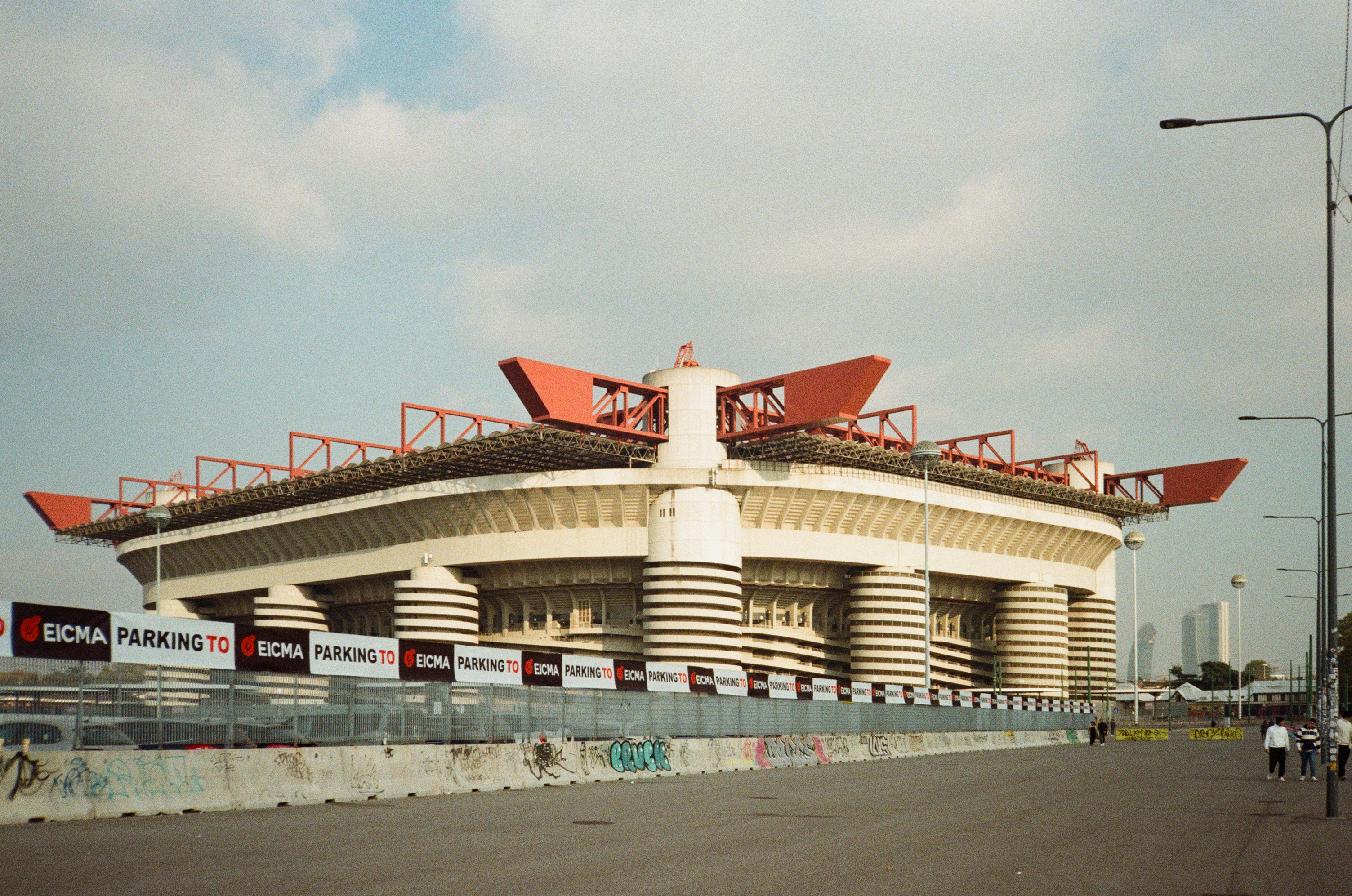
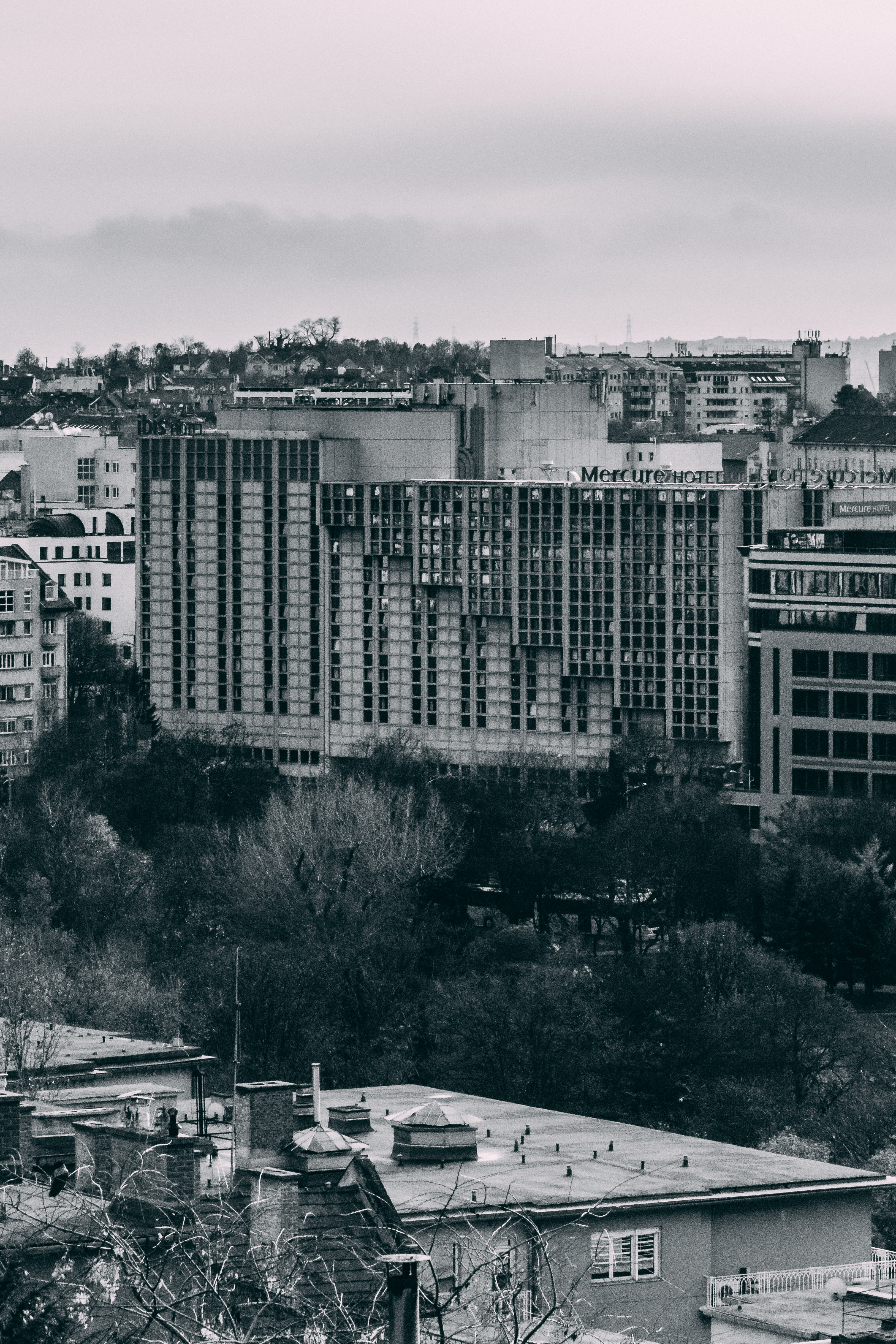
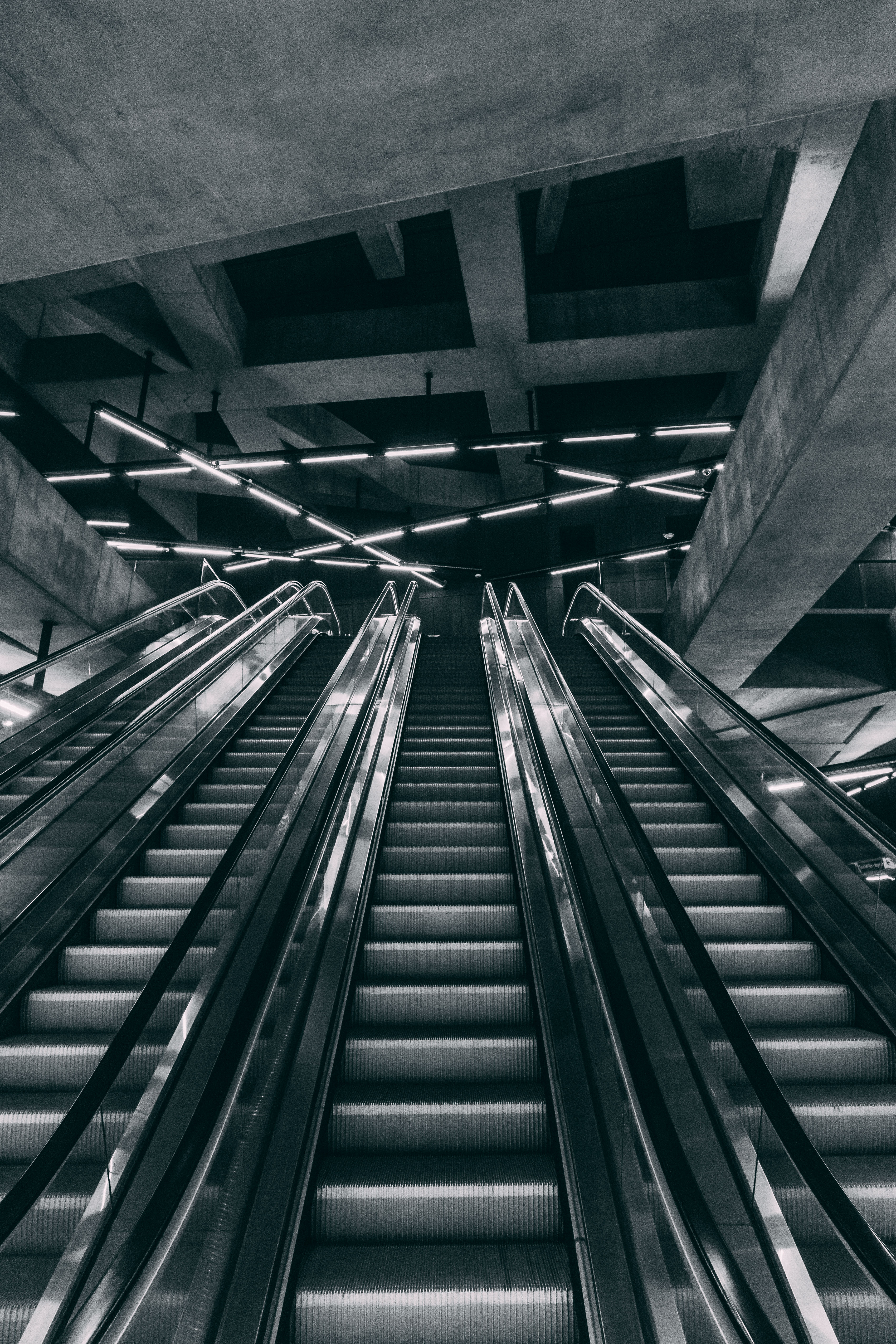
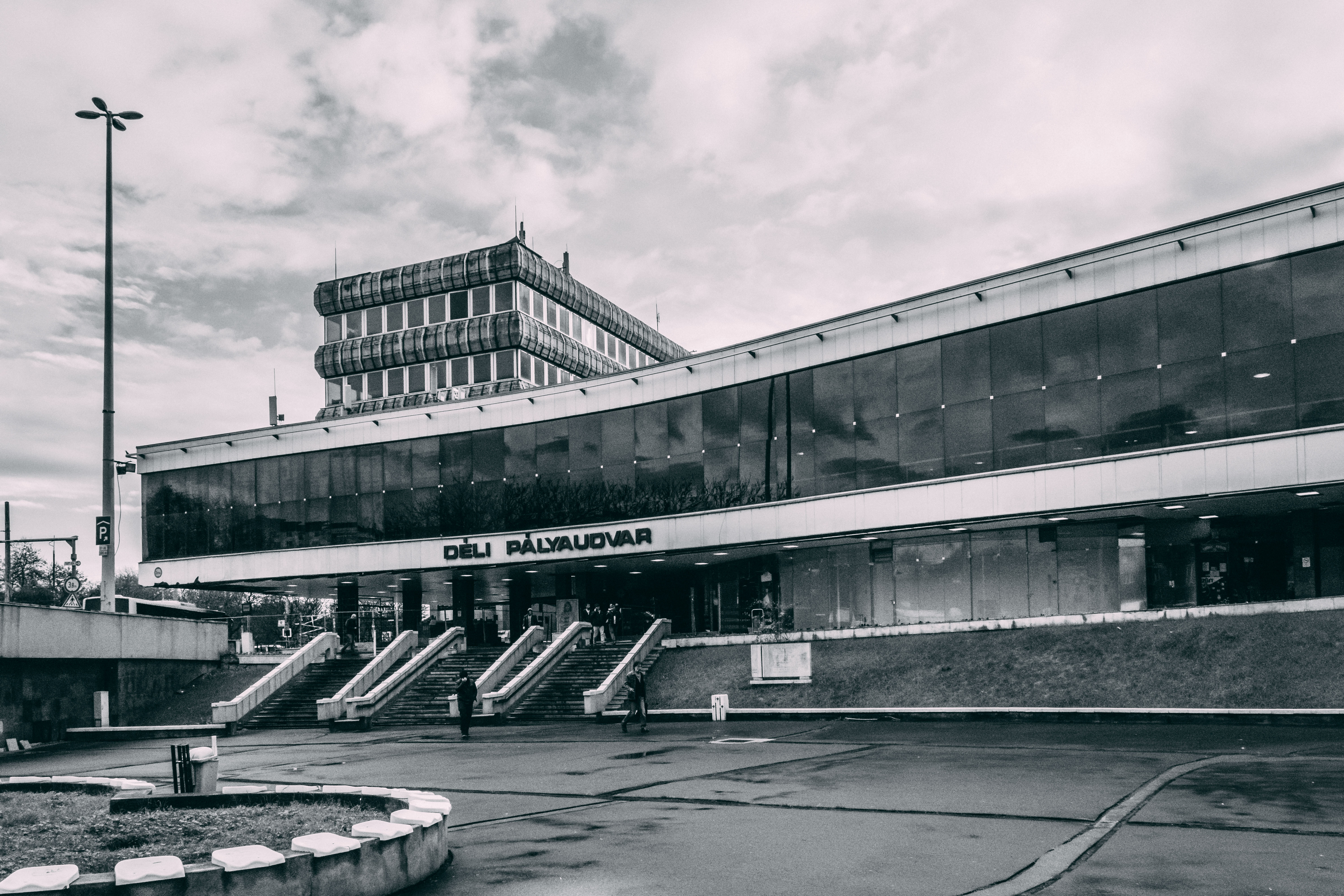
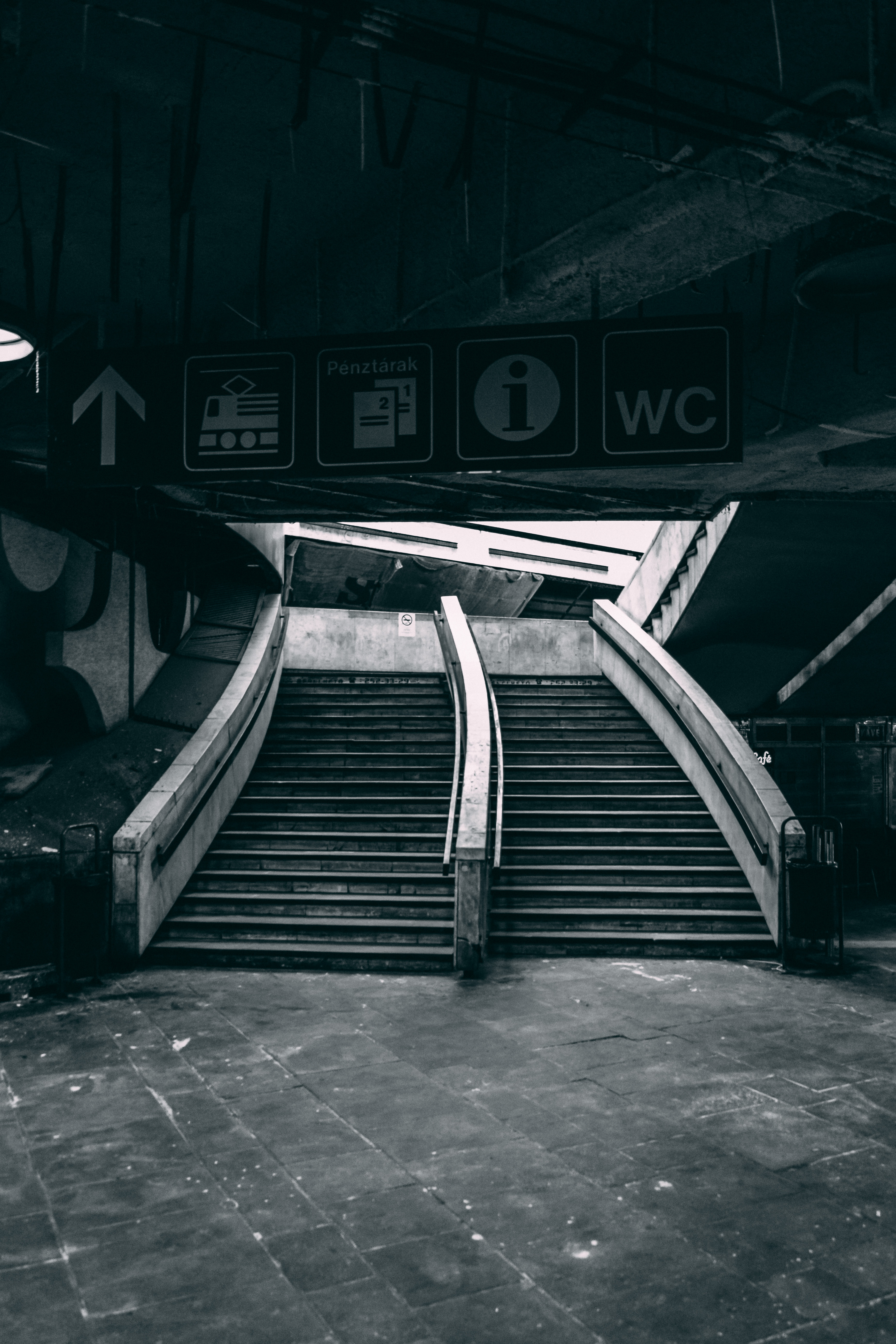
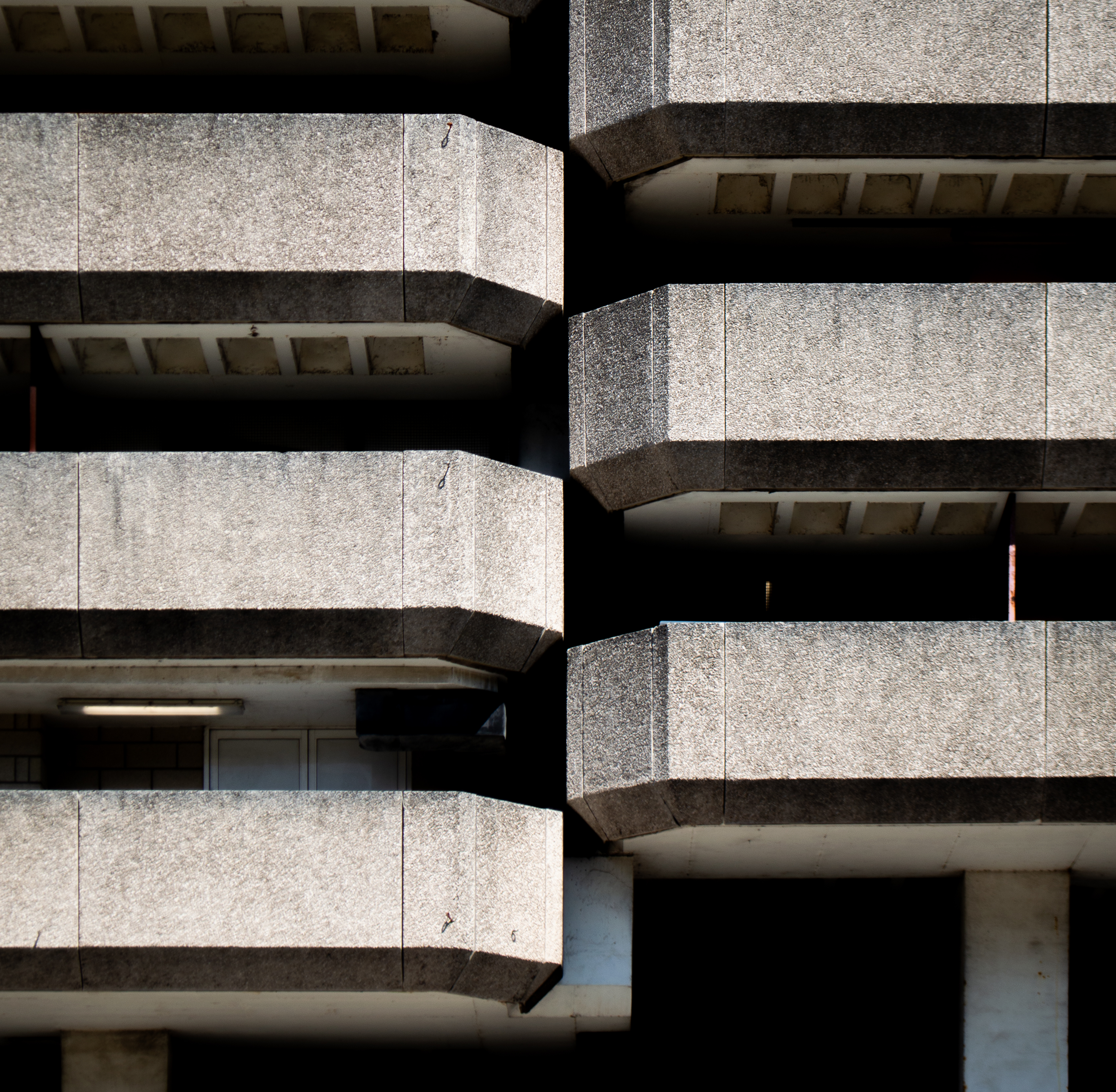
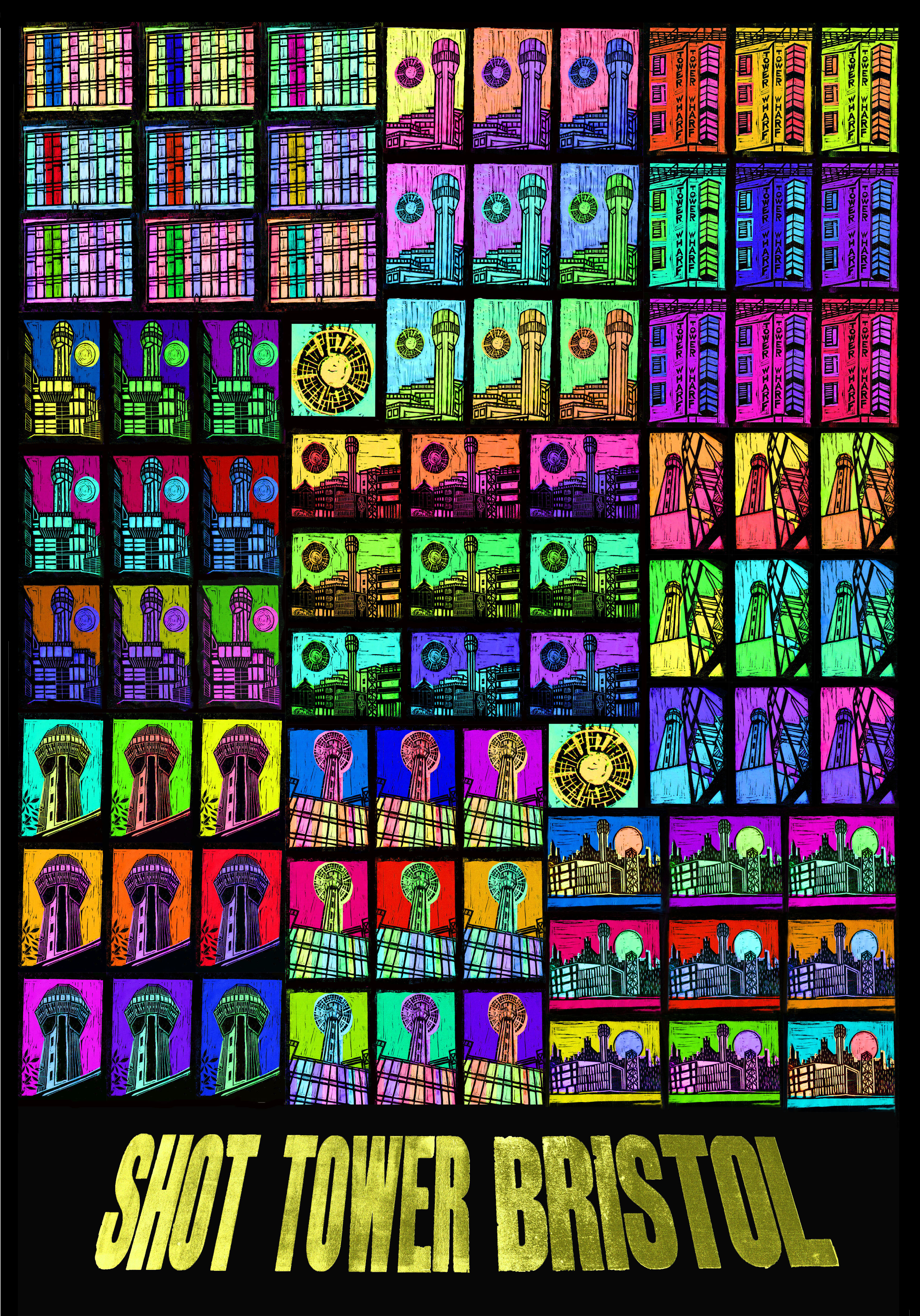
After returning from Budapest I put together a few collections of images and experiences, many of which quickly became highlights of my time in the city. I explored the city by tram and metro and used them to visit Kerepesi Cemetery and All Saints Church. The city was largely historical buildings and monuments but of course there was some Brutal architecture to be found dotted around the city.
BRUTAL is an ongoing series I have been developing and spans across printed zines and prints, as well as posts such as this. I have already featured Oxford, Bristol and Hull.
BRUTAL Bristol continues to evolve. This time into an exhibition featuring contributors from both zines, plus a few new special guests. The work on display will range from photography, illustrations, models and even furniture.
Partnering with The Modernist the event will take place between 8th-12th October in Sparks, an old M&S in Broadmead that has since been reused as an arts an exhibition space. The event will also launch the Bristol Modernist with a guided walk by Elliott Sargent.
Like I have done in the past with the BRUTAL Bristol zines I wanted to create a list of the artists that will be at the exhibition to showcase there work and to let you know where you would be able to find out more about them.
More details about The Modernist and the latest addition to their app.
BRUTAL Bristol II is a collaborative zine created to showcase the unique architecture of Bristol from the perspective of photographers, writers, creatives and enthusiasts.
Money raised from the sale of BRUTAL Bristol and related prints will be donated to FareShare South West, a charity working in the Bristol area fighting against food waste and hunger.
Shoppers clutching pencilled lists hear the gospel drifting from the striplights. Charity workers calling in for a meal deal have been known to come out, converts with Clubcards. They claim to have found Jesus in the clatter of baskets, the hum of the freezers. On the street, those drawn only to the windows’ special offers will be unaware of the storeys above the storeroom, the loving praises being given, the whitewash walls raising themselves impetuously to God like doves in flight. This is the place to come for last minute essentials, where the aisles and pews reverberate as one; the cathedrals fill and swell, their heavy doors shifting on their ancient hinges, but here is this hideaway on high, the worn carpet on the stairwell to heaven, voices, prayers, psalms rising into the air like warmth. Like heat.
Owen Collins
Further Reading:
Owen also wrote a great poem about the lost Welbeck Street Car Park. I featured it here and also in the zine of photographs of the car park BRUTAL IV.
BRUTAL Bristol II is the second issue in a collaborative zine series created to showcase the unique architecture of Bristol from the perspective of photographers, writers, creatives and enthusiasts.
Money raised from the sale of BRUTAL Bristol II will be donated to FareShare South West, a charity working in the Bristol area fighting against food waste and hunger. So far the series has raised over £1500 for the charity.
In the same fashion as with the first zine I would like to highlight the contributors that helped shape BRUTAL Bristol II by sharing their work and how to find out more about them. These artists, writers and enthusiasts have helped shape a series that was already raised over £1500 for charity.
I hope that if you either already have a copy of the zine or you see their work for the first time here you will visit the links provided and show your support.
BRUTAL Bristol II is a collaborative zine created to showcase the unique architecture of Bristol from the perspective of photographers, writers, creatives and enthusiasts.
Money raised from the sale of BRUTAL Bristol and related prints will be donated to FareShare South West, a charity working in the Bristol area fighting against food waste and hunger.
Returning to Bristol was always my plan, and after the enthusiastic response to the first zine another trip was inevitable. The city is filled with unique architecture that one issue was unable to cover. With a growing community of artists, writers, and photographers this time it was possible to delve even deeper.
Throughout the preparation of this issue, I felt compelled to explore beyond the celebrated icons of Bristol’s architectural landscape, though they do still feature. I wanted to also feature those buildings that exist on the fringes of what defines brutalism or are often over looked. For many of these buildings, this could be the final opportunity to document them before they succumb to time or neglect.
In recent years, Bristol’s architecture has frequently made headlines, though often for unfortunate reasons. Currently, several buildings in the city face uncertain futures or imminent demolition. At the time of writing it is already too late for many.
The Rupert Street Car Park and the former Debenhams overlooking The Bearpit are among those at risk. The buildings collectively known as Bank of England House have stood vacant since my first visit to Bristol, their destiny still undecided after years of neglect. For some structures, however, time has already run out. The building that once last a Premier Inn is currently being reduced to rubble.
The aim of BRUTAL Bristol is to take the collective work of one community and make a positive difference in another. With that in mind, money raised from this zine and its related prints will be donated to FareShare South West. So far the series has raised over £1500 for charity.
Right now, over a million people across the south west are going to bed hungry while tonnes of good nutritious food are thrown away. FareShare South West joins the dots between food waste and hunger, empowering communities to turn an environmental problem into lasting social good. They rescue tonnes of quality surplus food from the industry and share it with charities and schools to bring health, dignity and routes out of poverty for people across the south west, while their supportive volunteering and employability programmes offer local people the opportunity to thrive.
Further Reading:
BRUTAL Bristol II is the second issue in a collaborative zine series created to showcase the unique architecture of Bristol from the perspective of photographers, writers, creatives and enthusiasts.
Money raised from the sale of BRUTAL Bristol II will be donated to FareShare South West, a charity working in the Bristol area fighting against food waste and hunger. So far the series has raised over £1500 for the charity.
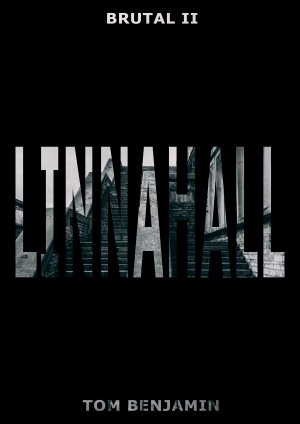
After several years I was back in Tallinn and of course it was import to visit Linnahall to see what condition it was in. Over the years I have visited the building several times photographing the exterior throughout the seasons but this visit would be different.
On a wet and miserable day I walked around the exterior, guided by temporary fencing, to the seaward side. It may have just been the bleakness of the weather but looking over the building it looked in a worse state than I remembered. Path ways and stairs were crumbling and uneven, the damaged sign above the entrance was completely missing, weeds grew from every crack or crevice, even the graffiti was looking worn out.
Inside the Abandoned Linnahall
Inside I was even more surprised. The reason I had wanted to see the interior of Linnahall was because I thought there was this hidden treasure, preserved behind locked doors, waiting to be rediscovered. Unfortunately, what I saw was far more disheartening.
As I walked through the dimly lit corridors and stair ways it was clear that there were many problems with the construction of the building. It was rushed to be completed in time for the 1980 Olympics and I have heard a large amount of the workforce used were unskilled. You can definitely see that from the exterior brickwork. Water leaked through the ceiling in numerous places, often being collected in buckets below, the damage it had created was clear even under the poor lighting.
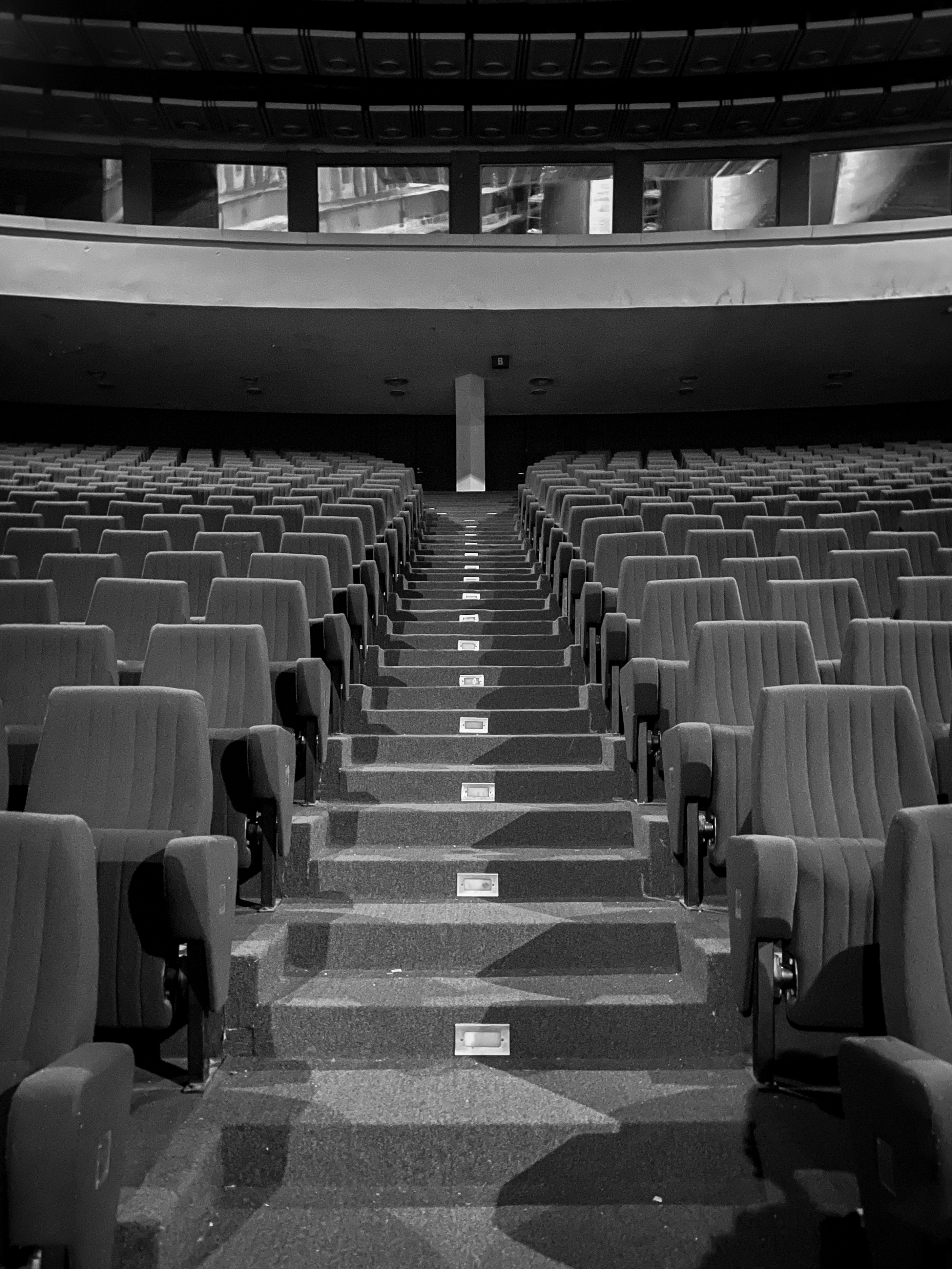
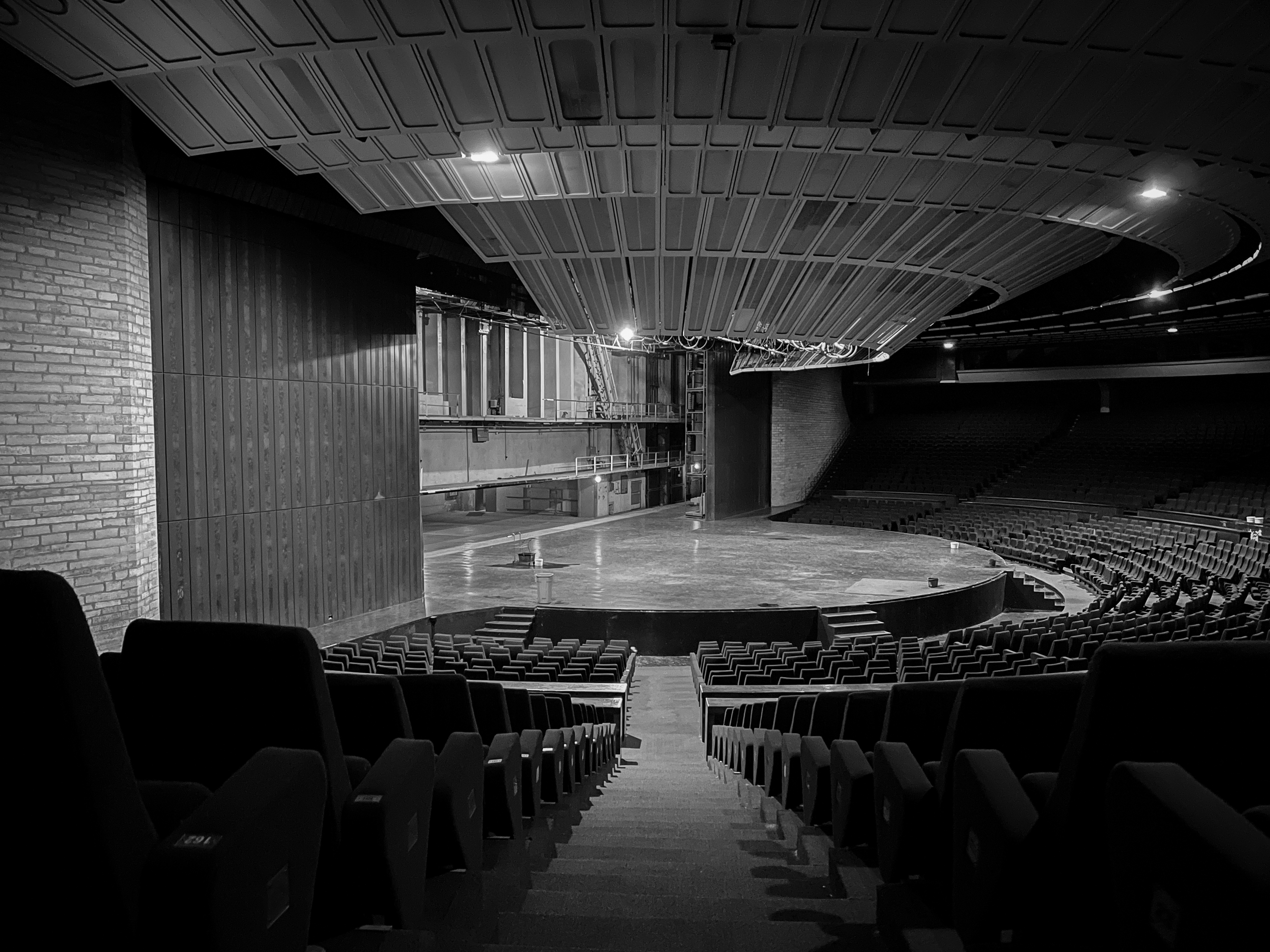
Emerging in the amphitheatre from back stage was truly incredible. It was beautiful. The treasure I was hoping to find. Looking out in to the 4,200 seats I was completely amazed at the size of the place. From standing on the exterior of the building it is impossible to imagine the extent of what is hidden below.
Seeing the interior for the first time in the film Tenet I was blown away. But being inside now it was clear that ‘Hollywood Magic’ had played a huge part in creating that illusion. Paint peeled from the wall, puddles formed from continuously dipping water, in some cases these landed directly onto the chairs leaving them soaking. Standing back and looking over the whole amphitheatre it was hard to see these grisly details, filled with film extras it was even more so.
After spending most of my time in the glorious amphitheatre it was time to see the rest of the building. Emerging into large light corridors lined with windows was refreshing. It was now that I was able to orientate myself with the building and how people would have entered when they came here for a concert.
There was more to see, more than time allowed. And due to the lighting it wasn’t easy to photograph many of the areas that I visited. There were corridors branching in all directions and I know that there was a nightclub at one time at the back of the building, its entrance still visible but all signs of what it once was removed. There is also the hockey arena hidden behind a small unassuming entrance by the car park but the condition of that was far worse and has left the roof unsafe for people to enter.
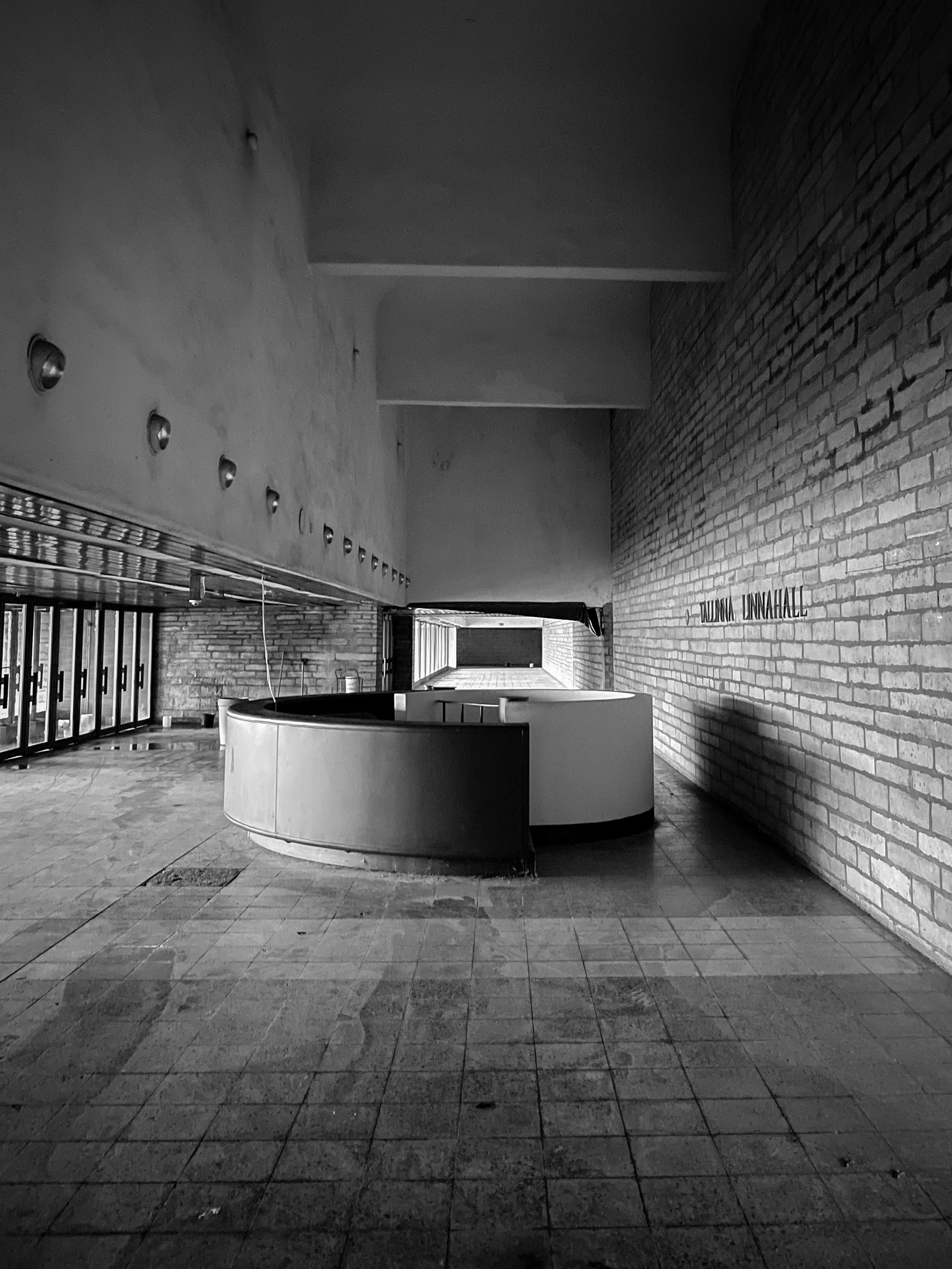
It was here at the entrance, where a small circular reception desk was situated, where I left the building. Finally fulfilled that I had been inside. Does this mean that I will never need to visit Linnahall again? Probably not. If anything this visit has made me even more invested.
Further Reading:
I have written numerous post about Linnahall and even how the city of Tallinn was shaped by the 1980 Moscow Olympics, you can see them all here.
A procession of double buses, giant photoshopped fruit and veg, a greasy spoon, Poundland: the Broadmead Baptist Church is in a part of Bristol’s centre where you’re more inclined to stare at your feet than look up to discover remarkable architecture.
So many people have passed by oblivious to Broadmead Baptist Church – they’ve never seen the dramatic exterior of ribbed concrete and distinctive roof ziggurats. Even fewer have witnessed the stunning interior. A potential architectural salvation missed every second of every day.
For those that do enter inside and make their way up to the chapel, there is much to inspire awe. You can find rapture in these daring but considered spaces.
In the mid-1960s, Bournemouth architect Ronald Hubert Sims was given the opportunity to design a new baptist chapel as part of a revolutionary overhaul of the city centre. The ground floor had already been sold off for shops but the space above was all his. In 1969, Sims’ masterpiece was complete.
The main chapel remains a celebration of bold shapes and dramatic juxtaposition. The concrete is geometric, solid, and structural. It is not a symphony of angles like the Clifton Cathedral – it is minimalist and measured, each element given space to breathe.
There is a sense of calm that pervades – the carefully-aligned and reassuringly robust concrete is complemented and softened by sculptural wood that curves its way around the pulpit like wings opening, angelically spreading to embrace the worshippers. These wings can carry you away from your earthly toil, no matter how far you’ve fallen. As you cast your eyes up towards the heavens in thanks, the striking trapezoidal timber roof reveals itself.
Even on the greyest of days the mere hint of light is enough to illuminate the west wall of the church, bringing to life four stained glass panels, salvaged from the original Baptist chapel that was founded on the site in the late 17th century. The concrete supports that frame the stained glass are the foundations of belief: the wooden panels, the undulating course of faith. Ronald H. Sims’ vision remains in all its glory and is captured in this zine. Amen to that.
Further reading:
Thanks to Tom Spooner for providing the words to accompany my photos. You can follow him on Instagram.
Broadmead Baptist Church featured in BRUTAL Bristol, a collaborative zine created to showcase the unique architecture of Bristol from the perspective of photographers, writers, creatives and enthusiasts. Money raised from the sale of the zine has helped FareShare SouthWest provide over a thousand meals for families in need!
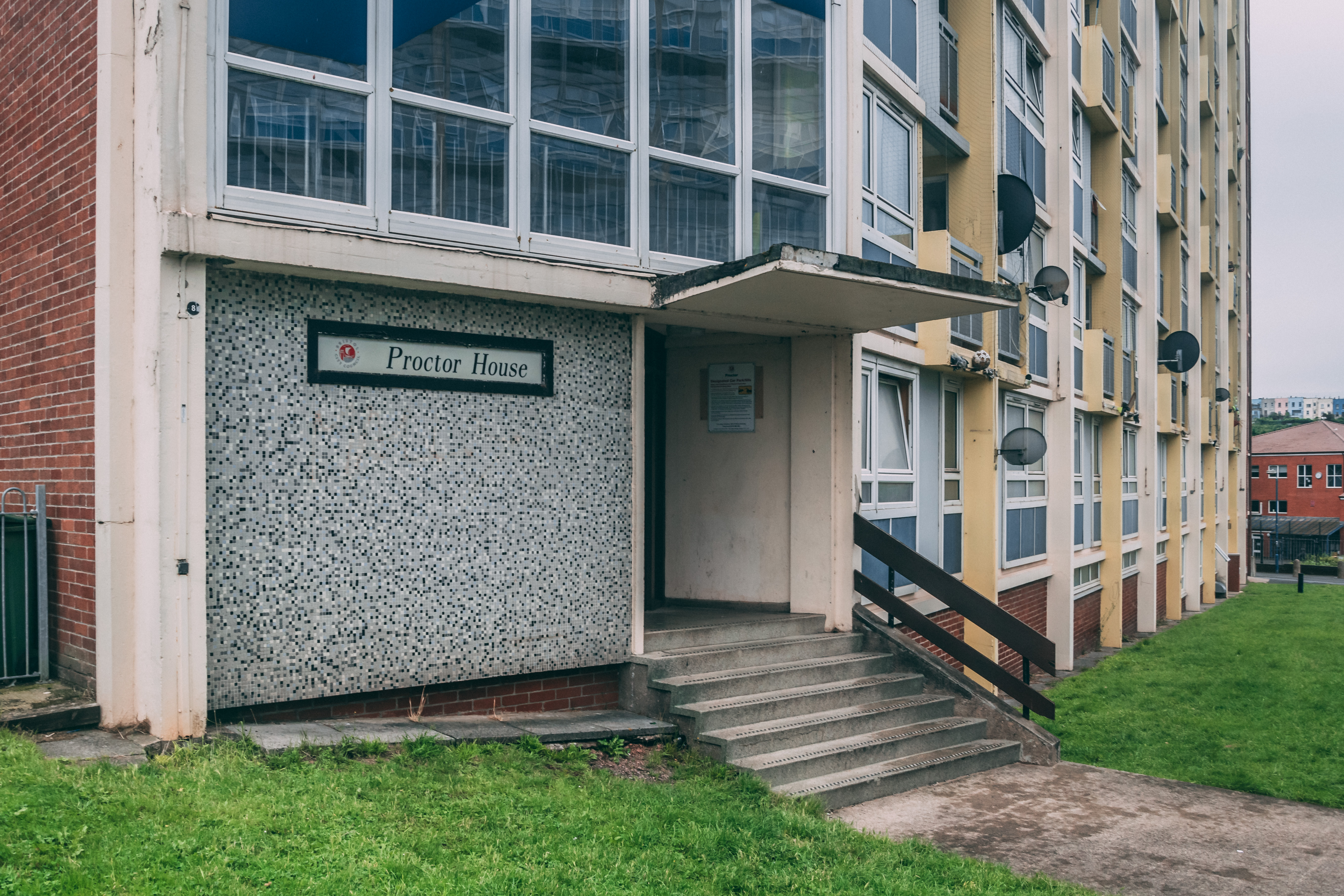
Redcliffe is a housing estate in the south-east of Bristol’s city centre. The area is dominated largely by housing blocks of distinct design. The following is a piece written by Ray Newman about the design of Redcliffe and accompanied by photos I took during my visit. It was published in BRUTAL Bristol.
Redcliffe by Ray Newman
In September 1947, Walter Gropius and Le Corbusier came to Britain. They were part of the Congres Internationaux d’Architecture Moderne (CIAM) which met in Bridgwater, Somerset, with excursions to a prefab housing factory in Weston-super-Mare, to Montacute House at Yeovil and, of course, to Bristol. The centrepiece of the congress was a day-long lecture by Gropius and Le Corbusier on the subject of town planning. Bristol’s architects must have taken note because within a few years the Blitz-blanked city had its own gleaming Corbusierscape on the north bank of the River Avon at Redcliffe.
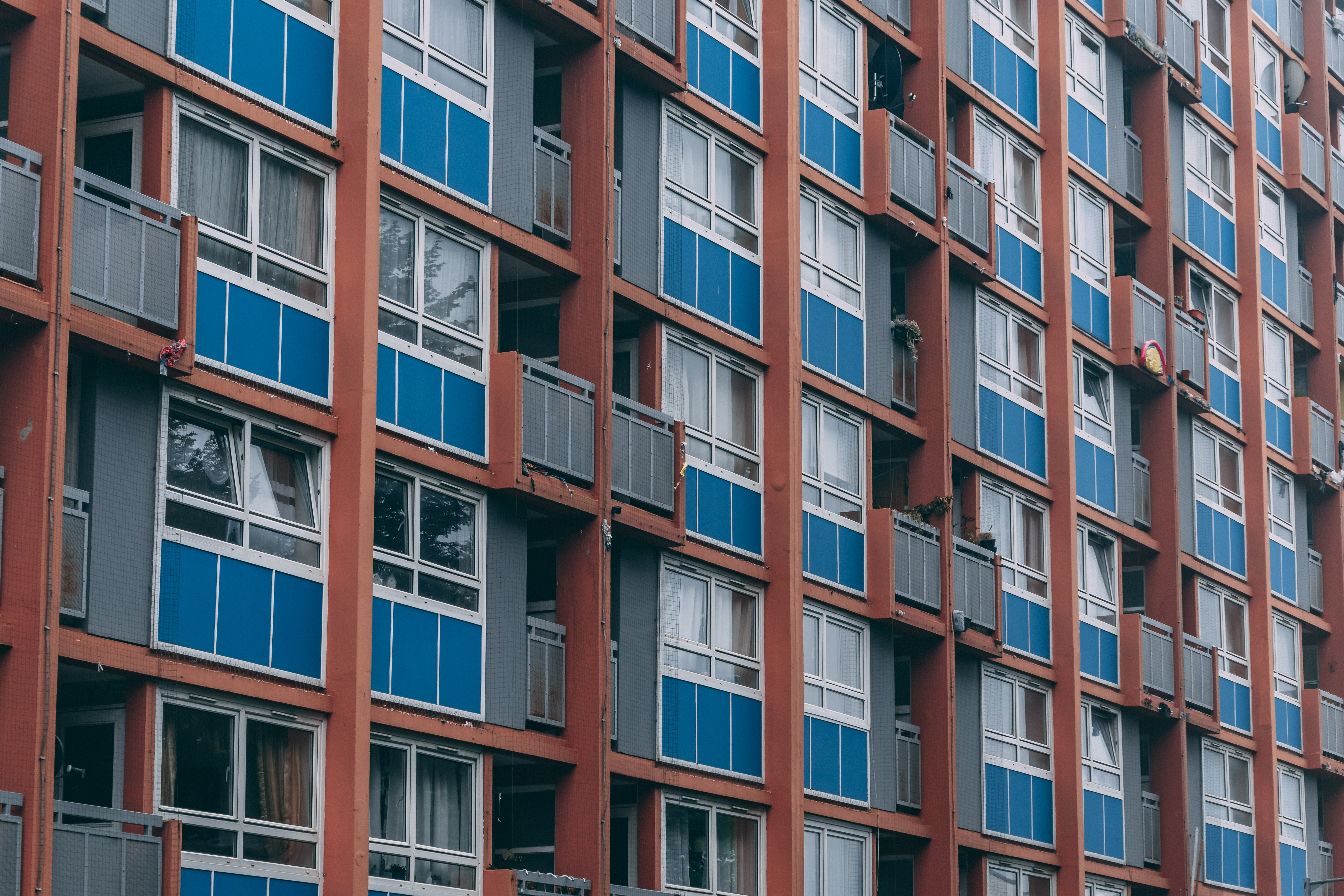
The estate at Redcliffe is unusual in its completeness and clarity of vision, covering most of a block surrounding Redcliff Hill. Slab housing blocks are arranged on the slope, grouped by date and design, which gives a sense of variety while also providing the regularity and repetition modernist voyeurs find so pleasing.
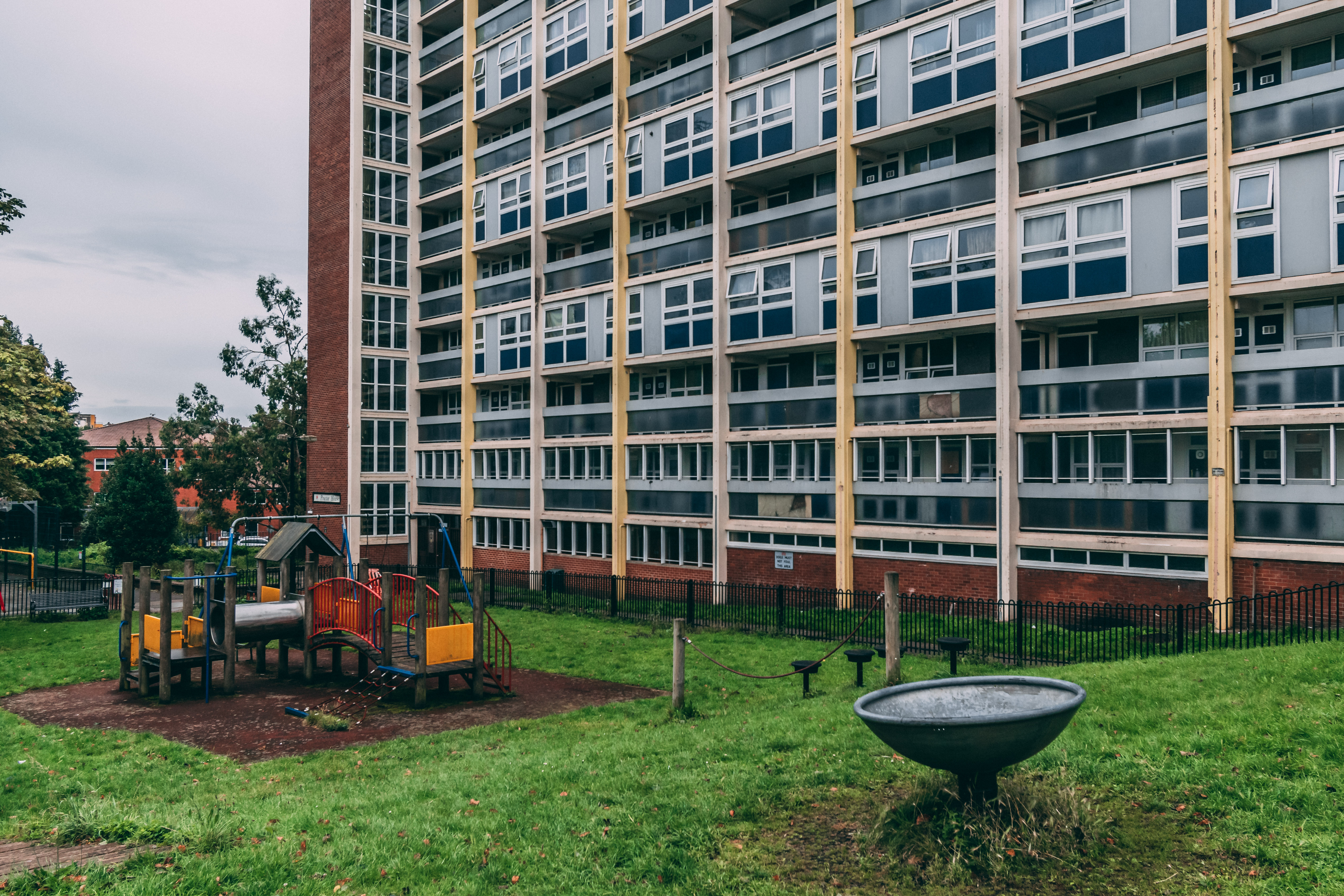
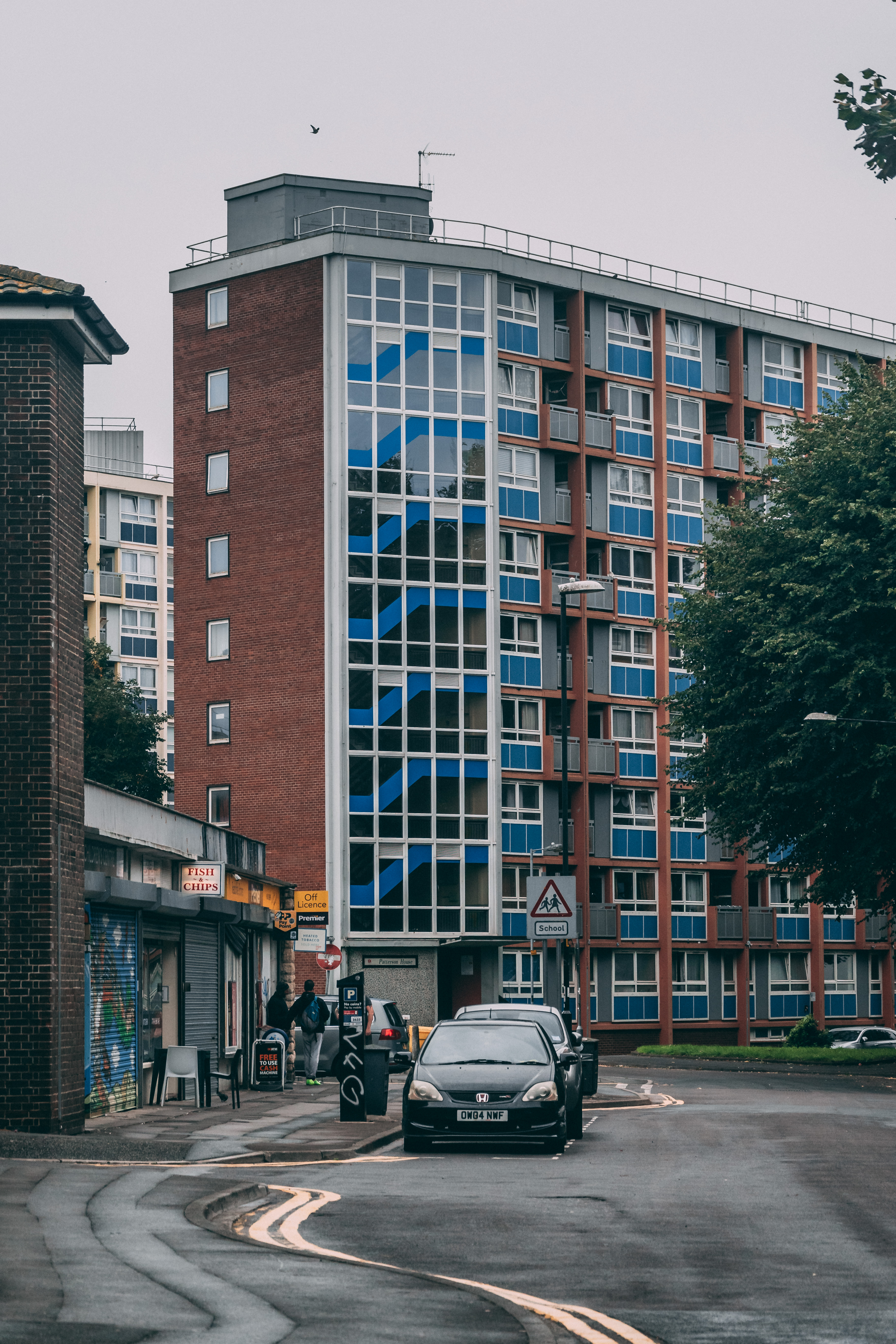
The first phase of development, from 1954, gave us Aston House and Chatterton House — low, built around a garden, full of light and fresh air. More Festival of Britain than continental moderne. But as more blocks were built, they got bigger and more slab-like, resembling Corbusier’s Unite d’Habitation model in their broad outline. Patterson House and Proctor House, both 1963 and designed by city architect Albert Clarke, are perfect twins, with Spencer House (also Clarke, 1959) a near match. Another pair of twins, the stocky Yeamans and Broughton houses (sadly badly clad) were built in the mid-1960s.
Across the dual carriageway of Redcliff Hill, or beneath it if you’ve a taste for the thrill of an unknown underpass, is the biggest of them all: the three-sided complex of Francombe, Waring and Underdown houses, from 1960. At the river’s edge, down the hill, Francombe House has twelve stories, presenting a wall of glass and balconies that seems almost un-English in its confidence. The waving concrete canopy and the black and gold geometric tiles on the wall make the entrance to the inner courtyard feel like an event – notice that you are crossing a real threshold into a real space. It’s a disappointment inside, of course – only bins, cars and building works where there should be a square and perhaps even a pub.
View the scheme from the opposite bank of the river and you’ll gain a new perspective. First, you’ll see the estate as a whole filling the horizon, a monument to the age of the big idea. Then you’ll notice one specific, marvellous detail: beneath the quayside, rising from the mud-clogged river, there is a series of 19th century structural arches; and those arches are echoed in the facade of Francombe House, from entrance canopy to crowning storey.
The other great vantage point is right at the heart of it all, on the junction of Prewett Street and Somerset Square. There, Patterson and Proctor shoot out into the sky in all their angular grandeur; the space-age box of Alec French’s Methodist Church offers breathing space; and beyond, mature trees grow between block after block. Proof, perhaps, that if the urge to demolish can be resisted, the post-war estate can find its peace.
Further reading:
Thanks to Ray Newman for providing the words to accompany my photos. You can follow him on Instagram.
Redcliffe featured in BRUTAL Bristol, a collaborative zine created to showcase the unique architecture of Bristol from the perspective of photographers, writers, creatives and enthusiasts. Money raised from the sale of the zine has helped FareShare SouthWest provide over a thousand meals for families in need!
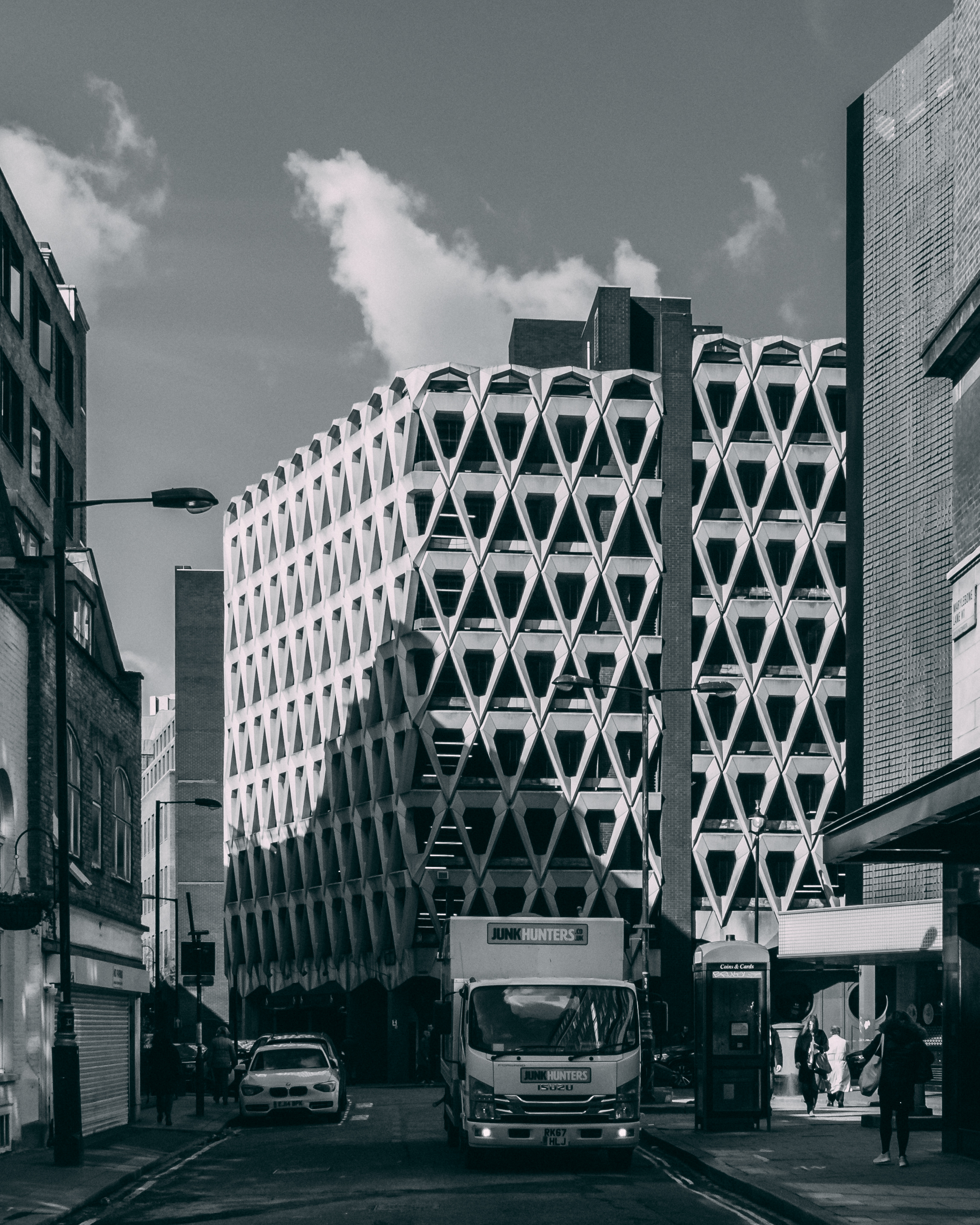
It was always my intention to return to the site of Welbeck Street Car Park with the hope that it would bring a conclusions to the photos I had taken a few years previously. Not only had the Car Park been replaced by a hotel, the surroundings had changed too.
BRUTAL is an ever expanding body of work which encapsulates buildings from around the world. Among the cities I have highlighted are Oxford, Hull and one of my favourites Berlin. BRUTAL has also become a series of zines, one of which features The Tricorn.
I had been gifted a pack on black framed Polaroid film and thought it would be great to shoot it at the Barbican. Though these following shots are among the best I have achieved with my Polaroid camera I am still not impressed with the results. Maybe that is part of the charm of shooting polaroid.
On each visit I plan to grow this collection and discover new parts and details about the Barbican as I go. The grand plan to extensively photograph the complex and one day to eventually visit the elusive Barbican Conservatory.
Further reading:
Part 1 starts with The Barbican on black and white Film where I tried to shoot some black and white polaroid film. The results were catastrophic.